Heal, Repair & Restore the Endocrine System
The human body is an incredibly complex system, with countless processes taking place every second to keep us alive, healthy and functioning properly.
One of the most important systems responsible for maintaining balance throughout the body is the endocrine system.
Although we rarely think about it, the endocrine system influences almost every aspect of our physical, mental and emotional wellbeing. From our energy levels and metabolism to our sleep, mood, sexual health, growth and ageing. This system plays a vital role in how we feel and function every day.
When the endocrine system is working efficiently, the body is better able to maintain hormonal balance and respond appropriately to its changing needs.
However, when this system becomes disrupted, the effects can be felt throughout the entire body.
What Is the Endocrine System?
The endocrine system is a network of glands and hormone-producing tissues that manufacture and release chemical messengers known as hormones.
These hormones travel through the bloodstream, delivering instructions to different organs, tissues and cells. They help regulate essential bodily functions and ensure that various systems work together in a coordinated manner.
You can think of the endocrine system as the body’s internal communication and regulation network.
Some of its major components include:
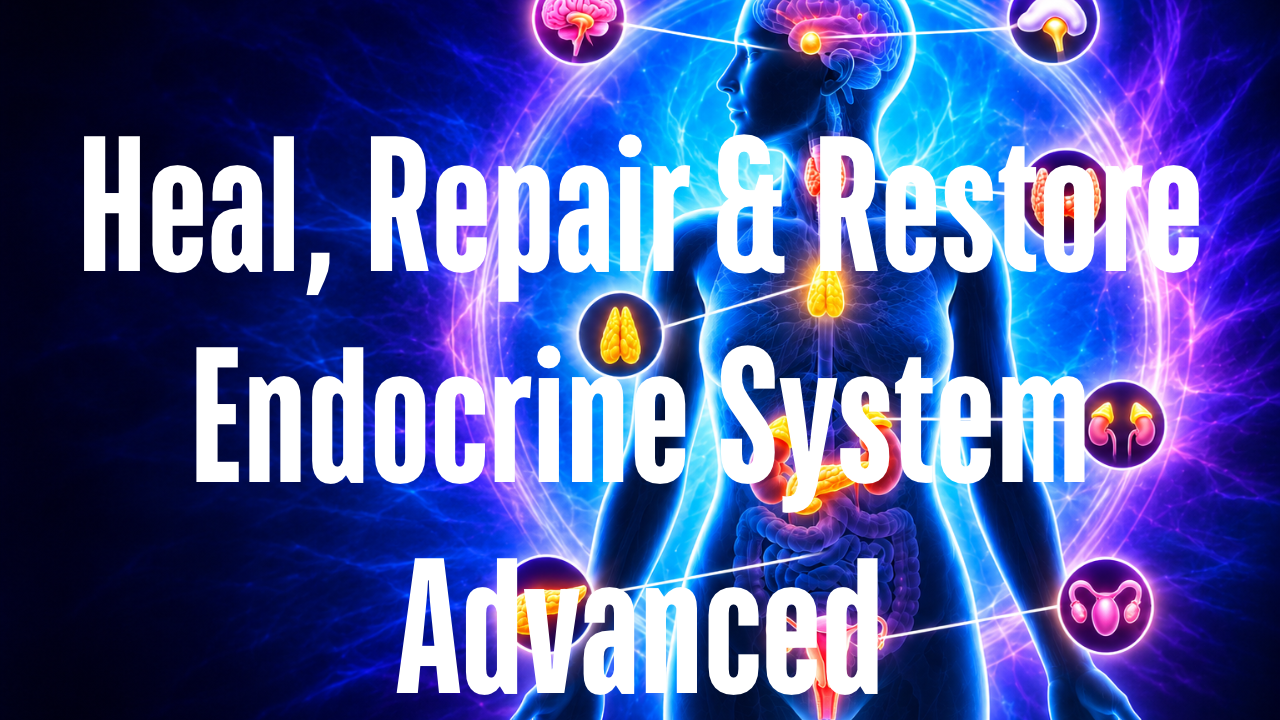
- Hypothalamus: Helps connect the nervous system with the endocrine system and regulates hunger, thirst, body temperature, sleep and hormonal signalling.
- Pituitary gland: Often called the master gland because it releases hormones that regulate several other endocrine glands, including the thyroid, adrenal glands and reproductive organs.
- Pineal gland: Produces melatonin, which helps regulate sleep and the body’s natural day-night rhythm.
- Thyroid gland: Regulates metabolism, energy production, body temperature and many aspects of growth and development.
- Parathyroid glands: Control calcium levels, which are essential for healthy bones, muscles and nerve function.
- Adrenal glands: Produce hormones such as cortisol, adrenaline and aldosterone, helping the body respond to stress and regulate blood pressure and fluid balance.
- Pancreas: Produces insulin and glucagon, which help maintain healthy blood sugar levels.
- Testes and ovaries: Produce reproductive hormones, including testosterone, oestrogen and progesterone, which influence fertility, sexual function, bone health and other bodily processes.
- Thymus: Supports immune system development, particularly during childhood, and produces hormones involved in the maturation of certain immune cells.
Together, these glands and tissues form an intricate hormonal network that continually adjusts to the body’s requirements.
What Happens When the Endocrine System Is Not Functioning Properly?
Because hormones influence so many different processes, even relatively small disturbances in certain hormone levels can have noticeable effects.
Hormonal imbalances may occur when a gland produces too much or too little of a particular hormone, when the body’s cells become less responsive to hormonal signals, or when communication between glands becomes disrupted.
Depending on the hormones involved, an inefficient or dysfunctional endocrine system can contribute to a wide range of symptoms.
1. Persistent Fatigue and Low Energy
Hormones play a major role in regulating metabolism and energy availability. Thyroid disorders, adrenal insufficiency and problems with blood sugar regulation can contribute to persistent tiredness, weakness and reduced stamina.
2. Unexplained Weight Gain or Weight Loss
Hormonal disturbances can affect appetite, metabolism, fat storage and the way the body uses energy. Some people may experience difficulty managing their weight despite making changes to their diet and physical activity.
3. Poor Sleep Quality
Hormones such as melatonin and cortisol help regulate our natural sleep-wake cycle. Disruptions in their normal patterns can contribute to difficulty falling asleep, interrupted sleep and feeling unrefreshed upon waking.
4. Mood Changes and Mental Fatigue
Hormones influence brain function and emotional wellbeing. Certain endocrine disorders can contribute to irritability, anxiety, low mood, poor concentration, memory difficulties and mental fatigue.
5. Reduced Sexual Health and Vitality
Testosterone, oestrogen, progesterone and other hormones are essential for healthy reproductive and sexual function. Imbalances may contribute to reduced libido, erectile difficulties, menstrual irregularities, fertility problems and changes in sexual wellbeing.
6. Reduced Muscle Mass and Physical Strength
Hormones influence muscle development, tissue maintenance and recovery. Certain hormonal deficiencies or excesses can contribute to muscle weakness, reduced physical performance and changes in body composition.
7. Skin, Hair and Nail Problems
Hormonal imbalances can affect skin moisture, oil production, hair growth and tissue renewal. Depending on the underlying condition, individuals may experience dry skin, acne, thinning hair or changes in hair texture.
8. Blood Sugar and Metabolic Problems
Insulin is essential for regulating blood glucose. When the body becomes resistant to insulin or cannot produce sufficient amounts, blood sugar levels can become elevated, increasing the risk of metabolic disorders and diabetes.
9. Changes in Bone Health
Hormones such as oestrogen, testosterone, parathyroid hormone and thyroid hormones help regulate bone formation and maintenance. Long-term hormonal disturbances can contribute to reduced bone density and increased fracture risk.
10. Difficulties With Stress Regulation
The endocrine system plays a central role in how the body responds to physical and emotional stress. Disturbances involving cortisol and related hormonal pathways can affect sleep, metabolism, blood pressure and overall wellbeing.
These are only some of the possible effects. Because the endocrine system influences nearly every major organ, the consequences of hormonal dysfunction can be widespread.
What Negatively Affects the Endocrine System?
The endocrine system is constantly responding to changes within the body and the surrounding environment. While some endocrine disorders develop because of genetics, autoimmune conditions or disease, several lifestyle and environmental factors can also influence hormonal health.
Chronic Stress
When we experience stress, the body activates its stress-response systems and releases hormones such as cortisol and adrenaline.
These hormones are essential for helping us respond to challenges. However, prolonged or poorly managed stress can disrupt normal hormonal rhythms, affect sleep, influence appetite and interfere with metabolic regulation.
Poor Sleep and Irregular Sleeping Patterns
Sleep is closely connected with hormonal activity.
During sleep, the body regulates the release of several important hormones involved in growth, recovery, appetite and metabolism.
Insufficient sleep, irregular sleeping hours and frequent disruption of the body’s circadian rhythm can negatively affect insulin sensitivity, cortisol patterns and other hormonal processes.
Poor Nutrition
The endocrine system requires adequate nutrients to manufacture hormones and maintain healthy cellular function.
Insufficient protein, essential fats, iodine, selenium, zinc and other important nutrients can interfere with specific hormonal processes.
Long-term nutritional deficiencies, excessive calorie restriction and consistently poor dietary habits may contribute to hormonal and metabolic disturbances.
Environmental Chemicals and Endocrine Disruptors
Certain chemicals found in plastics, pesticides, industrial products, cosmetics and other everyday materials can interfere with hormonal signalling.
These substances are known as endocrine-disrupting chemicals.
Examples include bisphenol, certain phthalates, some pesticides and particular industrial pollutants.
Depending on the substance, exposure level and timing, these chemicals may mimic hormones, block hormone receptors or interfere with normal hormone production and metabolism.
Lack of Physical Activity
Regular movement helps support insulin sensitivity, metabolic health, muscle maintenance and healthy hormonal regulation.
A sedentary lifestyle can contribute to insulin resistance, excess body fat and metabolic disturbances, particularly when combined with poor nutrition.
Excess Body Fat and Metabolic Dysfunction
Body fat is not simply stored energy. Adipose tissue also produces hormones and other signalling molecules.
Excess visceral fat can contribute to chronic low-grade inflammation, insulin resistance and changes in reproductive hormone regulation.
Ageing
Hormone production and sensitivity naturally change as we grow older.
Some hormones decline, while others undergo changes in their daily patterns or the way the body responds to them.
Although these changes are not always signs of disease, they can influence metabolism, muscle mass, bone density, sleep and reproductive health.
Medical Conditions and Medications
Autoimmune diseases, infections, tumours, genetic conditions and certain medications can interfere with endocrine function.
For example, some medications influence cortisol production, thyroid activity, blood sugar regulation or reproductive hormones.
These factors demonstrate why endocrine health depends on more than simply increasing or decreasing hormone levels. It requires the body’s hormonal communication systems to remain appropriately regulated.
The Importance of Hormonal Balance
One of the most important things to understand about the endocrine system is that more hormones do not necessarily mean better health.
The body requires the right hormones, in the right amounts, at the right times.
For example, cortisol is essential for survival, but excessive or insufficient cortisol can cause problems. Thyroid hormones are necessary for metabolism, yet both excessive and inadequate thyroid activity can disrupt normal bodily function.
Healthy endocrine function depends on balance, sensitivity and communication between glands, hormones and their target tissues.
This is why maintaining the health of the entire endocrine system is so important.
Heal, Repair & Restore the Endocrine System – Energy Field Protocol
We have developed the Heal, Repair & Restore the Endocrine System Energy Field Protocol with the intention of supporting the health, restoration and optimal functioning of the body’s endocrine network.
Rather than focusing on a single hormone or gland, this protocol has been designed around the entire endocrine system and its interconnected functions.
Its energetic objectives include:
- Supporting the healing and restoration of endocrine glands and hormone-producing tissues.
- Encouraging healthy hormonal regulation and balance throughout the body.
- Supporting the normal communication between the hypothalamus, pituitary gland and other endocrine organs.
- Promoting the healthy functioning of the thyroid, parathyroid, adrenal glands, pancreas, pineal gland and reproductive glands.
- Supporting the body’s natural cellular maintenance and repair processes.
- Encouraging healthy hormonal receptor sensitivity and cellular responsiveness.
- Supporting metabolic regulation, energy balance and physical vitality.
- Promoting the body’s natural ability to adapt to physical and emotional stress.
- Supporting hormonal processes involved in sleep, recovery, growth and healthy ageing.
- Encouraging greater coordination and balance across the body’s endocrine network.
The intention behind this protocol is not simply to stimulate hormone production, but to support the endocrine system as a whole, encouraging it to function in a balanced and coordinated manner.
Through regular use of the energy field, users can direct their awareness towards the health and wellbeing of this essential bodily system.
Advanced Heal, Repair & Restore the Endocrine System
For those wishing to work with a considerably more concentrated version of this protocol, we have also developed the Advanced Heal, Repair & Restore the Endocrine System Energy Field.
This advanced version has just over 650% greater potency than the YouTube version, together with the highest level of consciousness incorporated into the protocol.
The Advanced version carries the same overall intention of healing, repairing and restoring the endocrine system, but has been designed with a substantially greater concentration of energetic potency.
Its focus remains on the entire endocrine network, including the glands, hormone-producing tissues, regulatory pathways and the intricate communication systems responsible for maintaining hormonal balance.
You can use the advanced version to target specific issues you maybe trying to overcome.
We recommend working with the energy daily for at least 21 days, then you may use it a few times a week to keep the endocrine system in balance.
Play 1 – 3 times per session.
Medical & Legal Disclaimer:
Although this energy protocol has been created with advice from a Medical Professional, a Chinese Medicine Practitioner, and a qualified Naturopath, the creator of this energy protocol is not a medical professional.
The statements on this page, and the product itself, have not been evaluated by the FDA. This product is not intended to diagnose, treat, cure, or prevent any disease.
The product, and all content on this website is not intended to be a substitute for professional medical advice, diagnosis, or treatment. Always seek the advice of your doctor or other qualified health provider with any questions you may have regarding a medical condition.

You May Also Like